Exploring Scheduling and Manufacturing Operations Management Software
In the fast-paced world of manufacturing, maintaining efficiency and productivity is paramount. This is where manufacturing operations management software plays a vital role. Not only does it streamline processes, but it also ensures that every task is performed optimally, enhancing overall productivity. Understanding Manufacturing Production Management Software Before we delve into the specifics, let’s first… READ MORE
Essential Tools for Effective Manufacturing Process Improvement
In the manufacturing industry, the quest for improvement is a constant journey. Whether it’s about enhancing efficiency, reducing waste, or increasing profitability, manufacturing process improvement is a crucial step towards achieving these goals. But how can we effectively improve manufacturing processes? The answer lies in leveraging the right tools and technologies. Understanding the Manufacturing Process… READ MORE
How to Optimize Your Manufacturing Scheduling System
A manufacturing scheduling system is a critical cog in a well-oiled production machine. It’s the blueprint that guides your manufacturing operations, dictating what needs to be produced, when, and in what quantity. An effective system ensures smooth operations, timely deliveries, and satisfied customers. But before you can optimize your system, you need to understand its… READ MORE
Enhancing Sub Assembly Manufacturing with Protected Flow Manufacturing
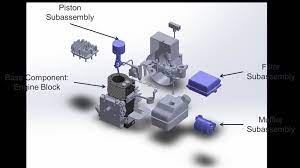
In today’s fast-paced manufacturing world, efficiency and productivity are key. The advent of new technologies and methodologies has made it possible to significantly enhance the sub assembly manufacturing process. One such methodology is Protected Flow Manufacturing. In this blog post, we will delve into what sub assembly manufacturing is, the role of shop floor scheduling,… READ MORE
Drive Bottom Line Growth By Improving Manufacturing Throughput
In the fast-paced world of manufacturing, throughput—the rate at which a system produces an output—is a critical factor in determining a company’s success. The ability to increase throughput can significantly impact the bottom line, driving growth and profitability. This blog post will delve into the strategies on how to improve throughput in manufacturing, ultimately leading… READ MORE